Sunlight after dark

hero placeholder

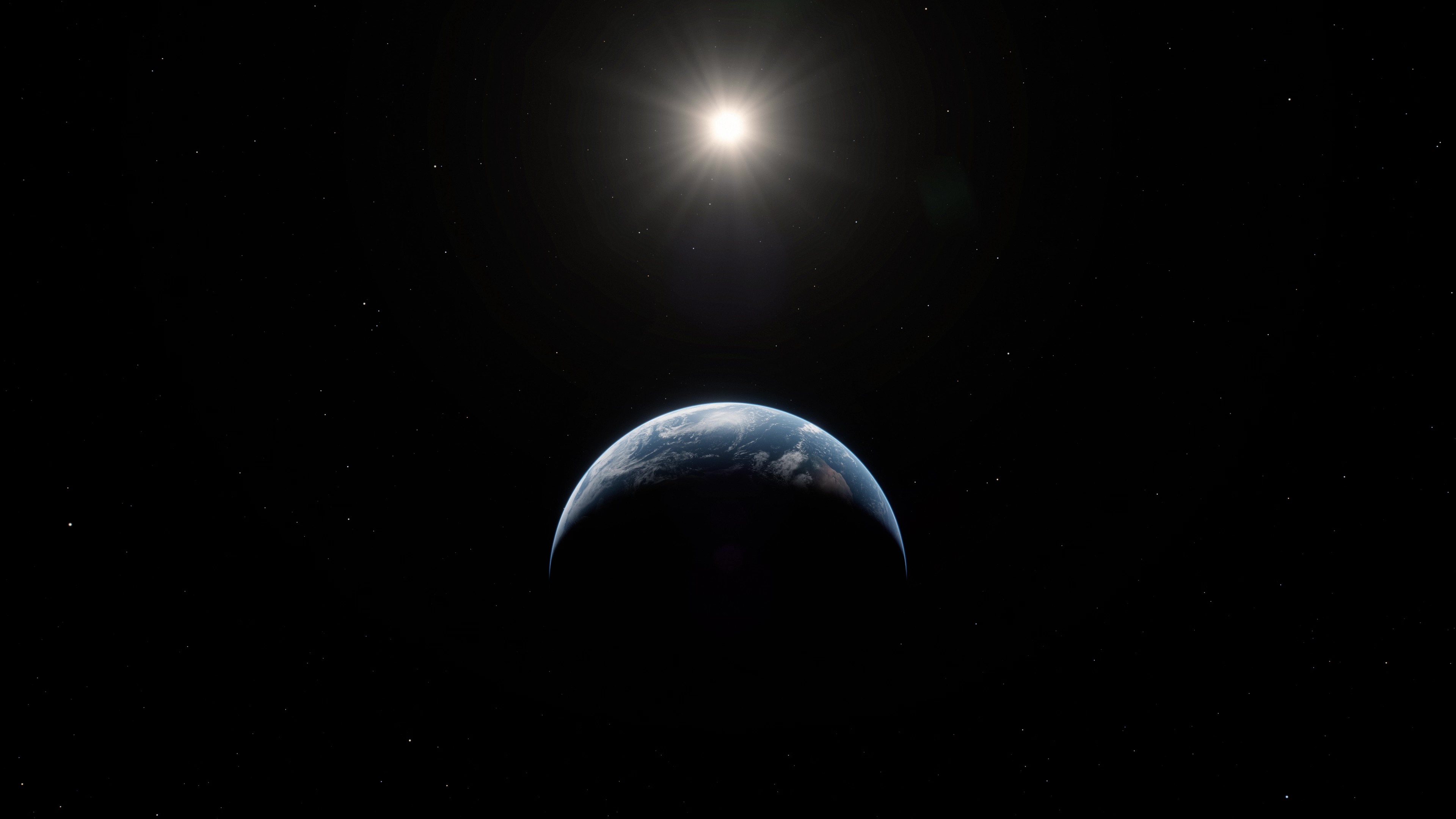
Reflect Orbital delivers a spot of sunlight on-demand with a constellation of in-space mirrors.

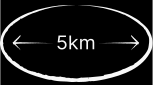
  • Precise Area

    5 km diameter
    and up.

    Highly Localized
    Directed to the approved end user.
  • Configurable

    Adjust intensity
    and location.

    Dimmable
    From full moon to full noon.
  • On Demand

    Order sunlight instantly in approved locations without new infrastructure.

    Easy to use
    From our app or website.
  • Precise and Uniform

    Localized and evenly lit.

  • Dynamic

    Easily relocate the spot as needed.

  • No Ground Infrastructure

    Easy set-up and onboarding.

Black and white Earth sphere with wide, irregular bright orange flare shapes extending from its sides on a black background.Black and white Earth sphere with wide, irregular bright orange flare shapes extending from its sides on a black background.

The Big Picture

  • Sunlight is the most valuable and powerful resource in the solar system.

  • About 2.2 billion times more sunlight misses the Earth than hits it, which means humanity can only use a small fraction of our sun's power.

  • Our constellation intercepts the solar energy that misses us and enables humanity to use it, providing control beyond what is naturally possible.

Our constellation and markets expand over time

2 satellites
2026
36 satellites
2027
1k+ satellites
2028
5k+ satellites
2030
50k+ satellites
2035
  • Lighting Service

    2026
    0.1 lux brightness for 5 minutes comparable to full moon.
    2027
    2 lux for 2.5 hours comparable to street lighting.
    2028
    Up to 100 lux for 2 hours comparable to indoor work areas.
    2 lux 24/7 comparable to streetlighting.
    2030
    Up to 5,000 lux for minutes comparable to daylight.
    Up to 100 lux for 2 hours comparable to indoor work areas.
    2 lux 24/7 comparable to street lighting.
    2035
    Up to 36,000 lux for hours comparable to daylight.
    Up to 100 lux 24/7 comparable to indoor work areas
  • Energy Service

    2026
    Testing.
    2027
    Testing.
    2028
    Testing.
    2030
    +1% capacity factor with 50 w/m2 for 20 minutes*.
    *Assuming a typically overbuilt solar farm, production increase for Southern CA is estimated to be 0.75% and Germany is expected to be 1.4% .
    2035
    +20% capacity factor for 300 w/m2 for 3 hours.
    *Assuming a typically overbuilt solar farm, production increase for Southern CA is estimated to be 0.75% and Germany is expected to be 1.4% .

Our constellation and markets will grow over time

2026
2 satellites
Lighting Service
0.1 lux brightness for 5 minutes comparable to full moon.
Energy Service
Testing.
2027
38 satellites
Lighting Service
2 lux for 2.5 hours comparable to street lighting,
Energy Service
Testing.
2028
+1k satellites
Lighting Service
Up to 100 lux for 2 hours comparable to indoor work areas.
2 lux 24/7 comparable to streetlighting.
Energy Service
Testing.
2030
+5k satellites
Lighting Service
Up to 5,000 lux for minutes comparable to daylight.
Up to 100 lux for 2 hours comparable to indoor work areas.
2 lux 24/7 comparable to street lighting.
Energy Service
+1% capacity factor with 50 w/m2 for 20 minutes*
*Assuming a typically overbuilt solar farm, production increase for Southern CA is estimated to be 0.75% and Germany is expected to be 1.4%
2035
50k+ satellites
Lighting Service
Up to 36,000 lux for hours comparable to daylight.
Up to 100 lux 24/7 comparable to indoor work areas.
Energy Service
+20% capacity factor for 300 w/m2 for 3 hours.

Frequently Asked Questions

  • What is reflected sunlight?

    Reflected sunlight is natural sunlight redirected from space with mirrors. It is the same sunlight we see every day, simply redirected at a time when it is not typically accessible.

  • How is this different from artificial lighting?

    Artificial light relies on electricity, fuel, and physical infrastructure like poles and wires. Reflected sunlight requires none of this. It extends access to sunlight in precise areas for finite periods of time without adding new ground infrastructure.

  • What areas can it illuminate?

    Our satellites can illuminate a specific area anywhere on Earth. The light will not spill out of the defined service area

  • Can the light be adjusted?

    Yes, the light is adjustable. It can effectively be “turned on and off” by rotating the satellite and the timing can be scheduled so that it operates only during requested hours. In addition, the brightness is adjustable (from full moon to full noon) when multiple satellites are in orbit.

  • Who benefits from this technology?

    Anyone needing clean, controllable, safe light can benefit. Applications range from extending solar generation hours without requiring any new land or ground infrastructure to illuminating precise areas for operations in remote environments. Check out our products to learn more.

  • Is it safe?

    We design for safety in three ways: 1) the light is contained within the spot, 2) the light can be turned off quickly and at any time so that none of it reaches the Earth, and 3) we can intentionally avoid sensitive areas like research observatories or protected habitats. The light is not bright enough to start fires or harm eyes, even when viewed through a telescope, and cannot be concentrated past maximum natural sunlight irradiance.

  • Can it be avoided?

    Yes, we will only provide redirected light when it is specifically requested and approved by the appropriate local authorities. In addition, we will share positions in advance so that scientists and other stakeholders can plan around the service.

  • What will it look like on the ground?

    The spot is brightest on the ground with minimal sky glow in the air. From within the spot, it will look and feel like the given brightness level (bright moon to high noon) with a star-like spot passing overhead.
  • How can I request this service?